Source Luxury Gold and White Napkin Ring for Events
Explore 30 options for a luxury gold and white napkin ring suitable for weddings, corporate galas, and upscale dining. Compare metal finishes, MOQs, and customization features to find the ideal table decoration for your specific sourcing needs; compare the available evidence and request quotations based on your requirements.
Key considerations
Products List


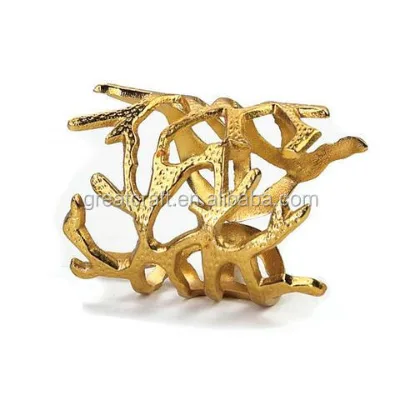
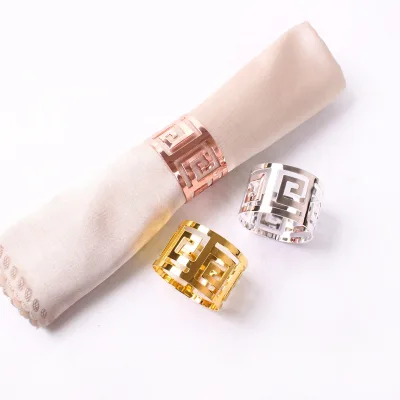
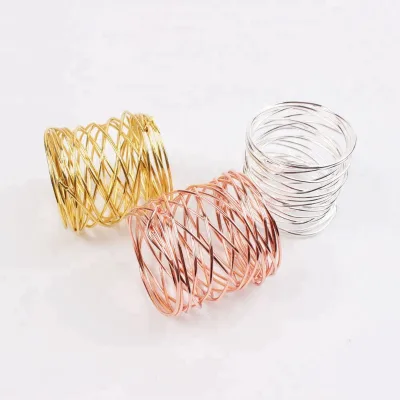
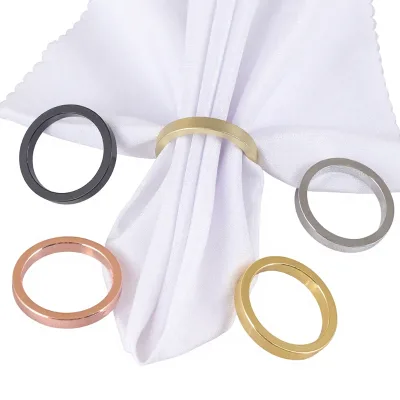
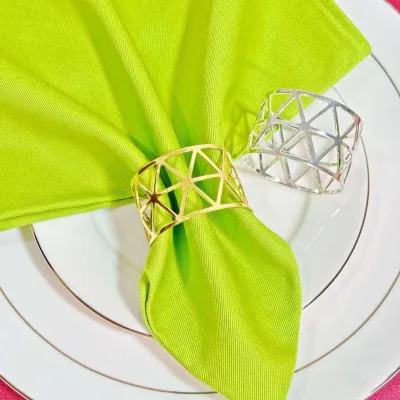
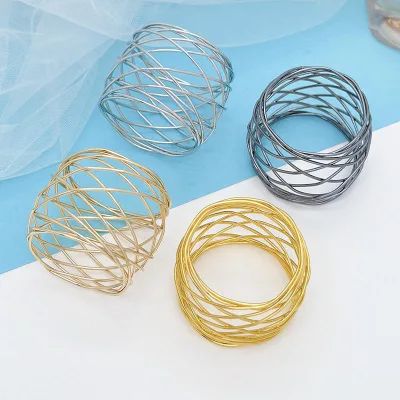
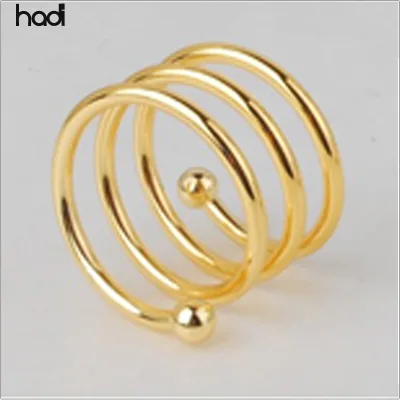
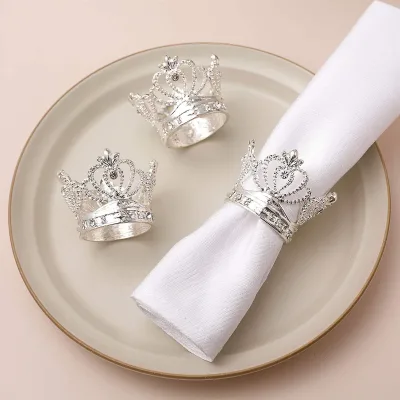
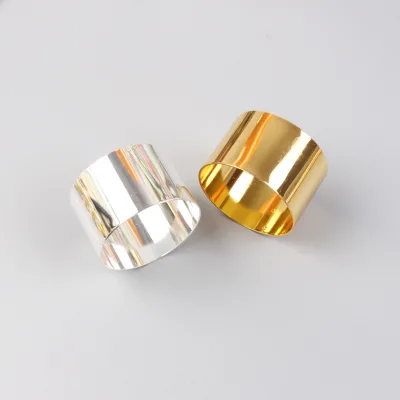
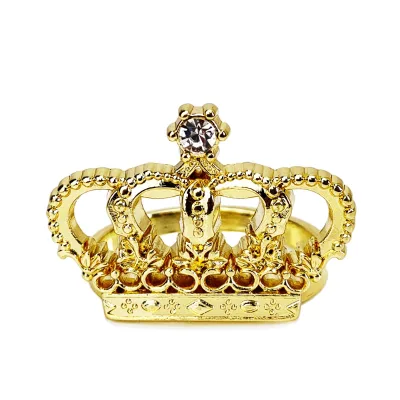
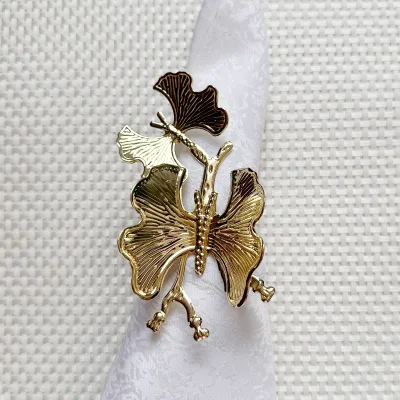
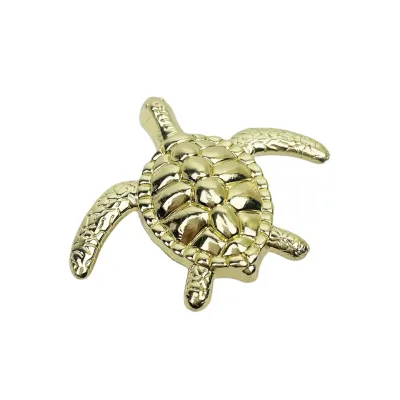
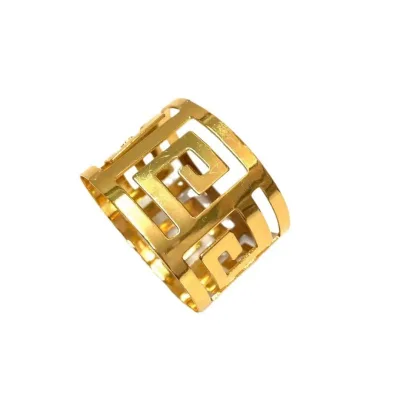
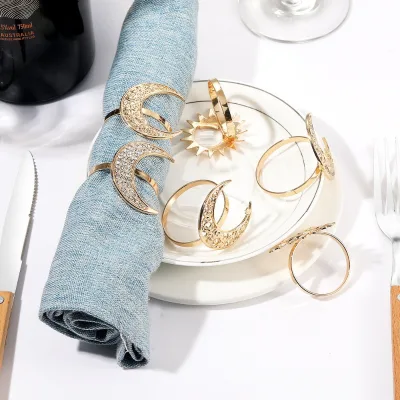
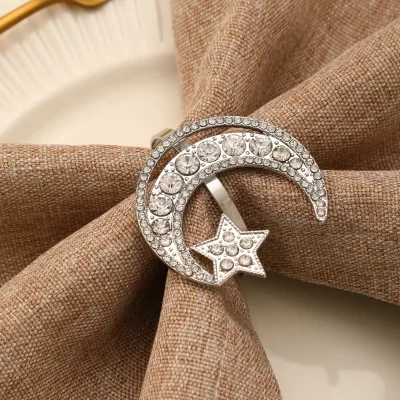
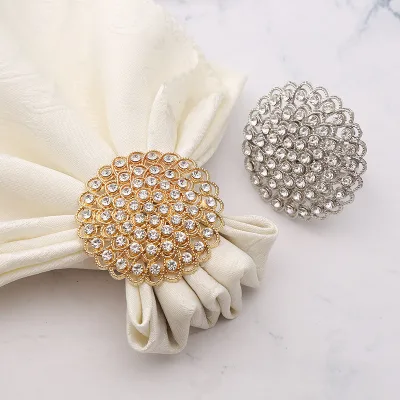
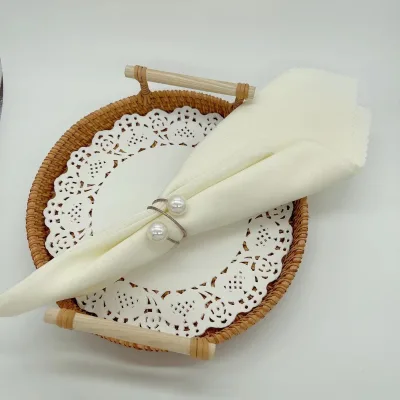
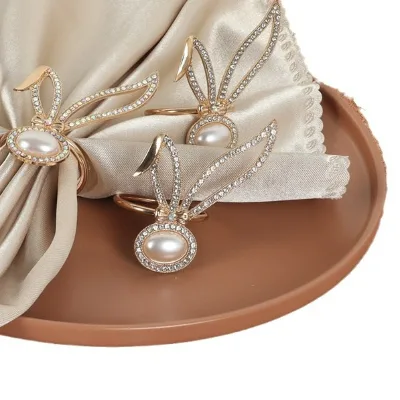
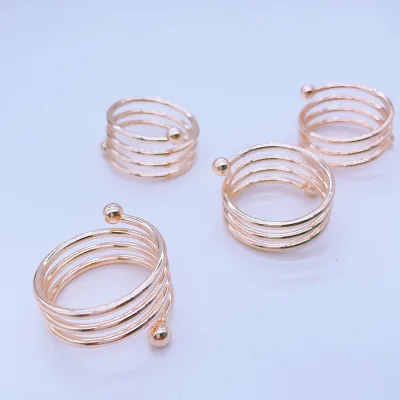

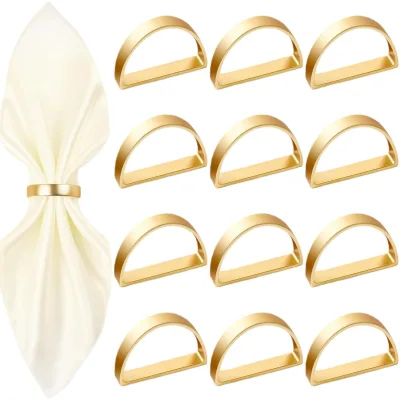
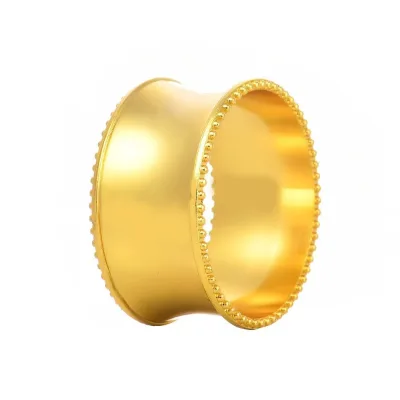
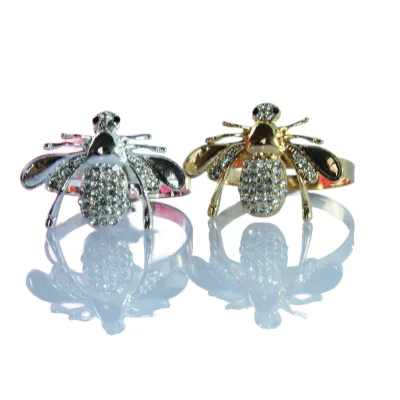
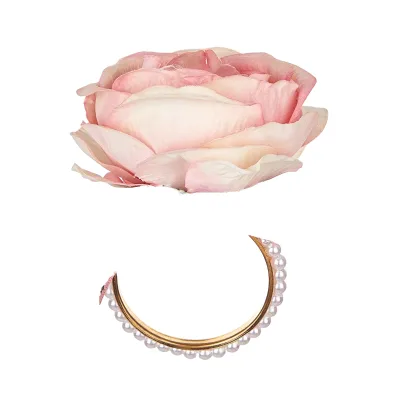
Comprehensive Sourcing Guide
Luxury Gold and White Napkin Ring Sourcing Guide
Sourcing luxury napkin rings requires a nuanced understanding of material finishes and aesthetic alignment with high-end table settings. The market offers a diverse range of options, from minimalist zinc alloy designs to more ornate hammered or engraved metal pieces. Buyers must carefully distinguish between solid metal constructions and plated variants, as the latter may require specific care instructions to maintain their luster over time. The visual appeal of gold and white combinations often dictates the choice of finish, whether it be a polished silver tone, a warm gold hue, or a rose gold accent.
Procurement decisions should also consider the functional aspects of the ring, such as its durability and ease of cleaning. Many modern designs are engineered to be dishwasher safe, which is a critical feature for commercial hospitality clients who prioritize operational efficiency. However, luxury items often demand hand-washing to preserve intricate details like custom logos or delicate engravings. Understanding these maintenance requirements early in the sourcing process helps prevent post-purchase disputes and ensures that the selected products align with the end-user’s operational capabilities and aesthetic expectations.
Product Scope and Observed Listing Signals
The current market landscape for napkin rings reveals a wide spectrum of styles, including minimalist, bohemian, and festival-themed designs. Listings frequently highlight customization options, allowing buyers to tailor products with specific logos or unique shapes to match their brand identity. Common materials include zinc alloy and other metals, often finished with polished, engraved, or hammered textures to add visual depth. The observed product range includes various models, each with distinct packaging requirements, such as inner boxes and outer cartons, or simple OPP bags for bulk shipments.
Color options extend beyond simple gold and silver, with rose gold and multi-color variants available to suit diverse interior design themes. Some products are marketed as eco-friendly or stocked items, indicating faster availability for urgent orders. The shape of the rings is predominantly round, but variations in width and size, such as 35-40mm ring widths, offer flexibility for different napkin thicknesses. Buyers should note that while many items are described as durable, the specific longevity and resistance to tarnishing depend heavily on the underlying metal quality and surface treatment processes used by the manufacturer.
Technical Specifications to Verify
When evaluating technical specifications, buyers must prioritize the exact model numbers and material compositions provided by suppliers. For instance, specific models like LO-000268 or NR-027 may have distinct structural properties that affect their suitability for heavy-use environments. It is essential to verify the single package dimensions and gross weight, as these factors directly influence shipping costs and storage requirements. A typical single package might measure around 13x8x9 cm with a gross weight of 0.06 kg, but these figures can vary significantly based on the complexity of the design and the density of the metal used.
Additionally, the production time and minimum order quantities (MOQ) are critical technical constraints that impact supply chain planning. While some suppliers offer an MOQ of just 50 pieces, others may require 200 sets or more, which can affect inventory management strategies. Buyers should also confirm whether the product is dishwasher safe, as this specification is not universal across all metal napkin rings. Verifying the exact metal type, such as zinc alloy, ensures that the product meets the desired weight and durability standards, preventing unexpected issues with corrosion or breakage during regular use.
Compliance and Safety Documentation
Compliance with international safety standards is paramount, especially for products that come into direct contact with food and dining surfaces. Buyers should request documentation confirming that the metals used are free from harmful substances like lead or cadmium, which can leach into food or beverages. While specific certification statuses may vary by supplier, it is crucial to verify that the products meet the relevant regulatory requirements for the target market, such as FDA compliance in the United States or EU regulations in Europe. This due diligence protects both the buyer and the end-consumer from potential health risks associated with substandard materials.
Furthermore, packaging materials should also be evaluated for environmental compliance, particularly if the brand positions itself as eco-friendly. Buyers should inquire about the recyclability of the inner and outer packaging, ensuring that it aligns with sustainability goals. Although some listings mention eco-friendly attributes, these claims should be substantiated by third-party certifications or clear material disclosures. Ensuring that all documentation is up-to-date and verifiable helps mitigate legal risks and enhances the brand’s reputation for responsible sourcing and manufacturing practices.
Cost Drivers and Commercial Terms
Cost structures for luxury napkin rings are influenced by several key factors, including the type of metal, the complexity of the finish, and the level of customization required. Polished or engraved finishes typically command higher prices due to the additional labor and precision involved in their production. Customization options, such as adding a specific logo or altering the design, can further increase costs and extend production lead times. Buyers should be aware that while some suppliers offer low MOQs, the per-unit price may be higher compared to bulk orders, which can benefit from economies of scale.
Commercial terms, including payment methods and shipping arrangements, also play a significant role in the overall cost. Lead times can vary from one week to thirty days, depending on the order size and the current production schedule of the supplier. It is advisable to negotiate clear terms regarding delays and quality guarantees to protect against potential disruptions. Additionally, buyers should consider the total landed cost, including freight, duties, and insurance, to accurately assess the profitability of the product. Transparent communication with suppliers about these variables helps in building a realistic budget and avoiding unexpected financial surprises.
Supplier Qualification and Quality Control
Selecting a reliable supplier involves rigorous qualification processes to ensure consistent quality and timely delivery. Buyers should verify the supplier’s production capabilities, including their factory size, equipment, and workforce expertise. Requesting samples is a critical step to assess the physical quality of the napkin rings, including the finish, weight, and overall craftsmanship. It is also important to check the supplier’s track record in terms of on-time delivery and responsiveness to customer inquiries, as these factors significantly impact the sourcing experience.
Quality control measures should be clearly defined and agreed upon before production begins. This includes establishing acceptable defect rates and specifying the inspection procedures that will be used to verify product quality. Buyers may opt for third-party inspection services to conduct pre-shipment checks, ensuring that the goods meet the agreed-upon standards before they are dispatched. Additionally, maintaining open communication with the supplier regarding any changes in design or material can help prevent misunderstandings and ensure that the final product aligns with the buyer’s expectations.
Long-Term Procurement Checks
Long-term procurement success depends on continuous monitoring of supplier performance and market trends. Buyers should regularly review supplier metrics, such as delivery times, defect rates, and customer service responsiveness, to identify areas for improvement. Building a strong relationship with the supplier can lead to better pricing, priority production slots, and access to new product innovations. It is also advisable to diversify the supplier base to mitigate risks associated with supply chain disruptions, ensuring that there are alternative sources available if needed.
Staying informed about emerging trends in tableware design and consumer preferences is essential for maintaining a competitive edge. This includes keeping an eye on new materials, finishes, and styles that may gain popularity in the luxury market. Regularly updating the product portfolio to reflect these trends can help attract new customers and retain existing ones. Additionally, conducting periodic audits of the supply chain can help identify potential risks and ensure that all partners adhere to ethical and environmental standards, supporting the brand’s long-term sustainability goals.
FAQs
Can I get custom logos on these napkin rings?
Yes, customized logos are available for these metal napkin rings. The products support customization features and come in various finishes like polished or engraved. You can order them in silver or gold colors with round shapes suitable for festivals or back-to-school occasions.
What is the minimum order quantity for these rings?
The minimum order quantity varies by product model, ranging from 50 pieces to 200 sets. Some listings specify 100 pieces as the standard MOQ while others require 200 pieces. Buyers should check specific model numbers like LO-000268 or NR-027 for exact requirements before placing an order.
How long does production take for these items?
Production time typically takes 30 days for standard orders, though some models may be ready in one week. The lead time depends on the specific product model and customization needs. Buyers should plan accordingly as the origin is China and standard production times apply to most metal napkin rings.
Are these napkin rings safe for dishwashers?
Yes, certain metal napkin rings are dishwasher safe for easy cleaning and maintenance. These durable items are designed to withstand regular washing without losing their polished or hammered finish. They are ideal for dining table use and come in various styles including minimalist and bohemian designs.
What materials are used to make these napkin rings?
These napkin rings are crafted from high-quality metal, specifically zinc alloy, ensuring durability and a premium feel. The products feature a round shape and come in colors like silver, gold, and rose gold. They are finished with polishing or engraving to enhance their aesthetic appeal for table decoration.
Which packaging options are available for these rings?
Packaging options include inner boxes with safe outcartons or simple OPP bags depending on the model. Some products come in inner boxes and outcarton boxes for better protection during shipping. The single package size is typically around 13x8x9 cm with a gross weight of 0.06 kg per item.